
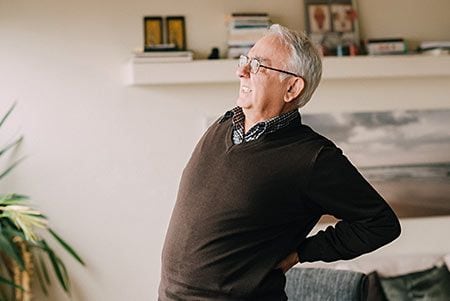
Stenosis is another word for “narrowing,” so if your chiropractor diagnoses you with spinal stenosis, it means the passage through which your spinal cord or nerves run is partially obstructed. As experts in musculoskeletal conditions, chiropractors treat stenosis using a variety of techniques.
Although spinal stenosis does not always result in symptoms, it can cause discomfort ranging from mild to debilitating. In severe cases, it can be difficult to walk even a moderate distance without pain. Stenosis can occur in two separate areas of the spine:
- stenosis of the spinal canal, which spans the length of the entire spine and houses the spinal cord
- stenosis of the intervertebral foramen, that is, the holes through which the nerves exit out of the spine to go to other areas of the body
Stenosis is common among adults over 50, affecting both women and men. Less commonly, people develop it when they are younger, typically due to an underlying condition such as a spinal injury.
Symptoms of Spinal Stenosis
The obstructions may or may not press on the sensitive nerves that fan out from the spinal cord. When nerves are irritated by pressure within the narrowing holes of the spine, it can cause a variety of symptoms that generally develop slowly. If left untreated, depending on its extent and severity, spinal stenosis can affect your daily routine. The most common places for spinal stenosis to occur are in your neck and lower back. Not everyone will have symptoms, but here’s what people with stenosis may experience:
Neck (cervical) stenosis
- Neck pain, which may be mild
- Burning pain, numbness or tingling in your upper extremities
- Weakness in your upper extremities
- Problems with balance and gait
- Problems using your hands
Lower back (lumbar) stenosis
- Burning pain in buttock or leg (sciatica) that may travel down to the foot
- Back pain
- Numbness or tingling in your buttock or leg
- Weakness in your buttock or leg
- The feeling that your foot is “slapping” the ground (foot drop)
- Severe cramping of the calves when walking
- Pain in the calves or legs that eases when you bend forward, sit or lie down
Causes of Spinal Stenosis
The most common cause of spinal stenosis is arthritis—wear and tear on the joints and discs of your spinal column. As you age, the cartilage that covers these joints is worn away in the same way that arthritis affects your knees or fingers. As the cartilage deteriorates, your body may grow new bony material to try to support the joints, known as bone spurs. The spurs don’t always cause problems, but when they grow in such a way that they compress a nerve, it can be very painful and may require surgical intervention.
Your body may also try to compensate for the loss of cartilage by increasing the size of the ligaments that connect your joints in your lower back. As they take up more space, they reduce the diameter of the spinal canal.
Bulging or slipped (herniated) discs or an abnormal curvature of the spine (scoliosis) can also cause spinal stenosis.
Chiropractic Treatment for Stenosis
Chiropractors treat spinal stenosis without drugs or surgery, often using a combination of therapies to relieve pain and restore function and mobility. Treatment will depend on your particular diagnosis and situation, but typical chiropractic techniques for spinal stenosis include the following:
- Manual techniques: We often use a spinal adjustment called “flexion distraction and decompression.” Patients lie on a specific adjustable table meant to widen the gaps of the spinal structures and balance out the pressures on the spinal discs. While lying on the table, gentle pressure may be applied to very specific places on your back. This double action of bending and pressing in opposite directions opens the spaces of the spinal canal, relieving pressure on the delicate structures.
- Stretches and traction: Other stretching or traction techniques can also open spaces of the spinal canal, loosen back or neck muscles, and offset posture problems that develop as a result of stenosis.
- At-home exercises: Chiropractors can show you exercises to strengthen your back and correct your posture. Over time, they can reduce pain and delay the progression of stenosis.
- Modifications to your daily routine: Depending on your symptoms, we may suggest changes that will help you through the day, such as avoiding sitting for long periods of time and possibly using a supportive brace.
- Massage and ultrasound: Both techniques can reduce the cramping, stiffness and pain of stenosis.
- Low voltage electric current, cold laser therapy, or hot and cold packs: These options increase blood circulation to inflamed areas and relax muscle spasms, relieving pain.
Spinal stenosis is a common condition that can interfere with your life—a little or a lot. With the conservative treatment we offer, chiropractic care can help you feel better, stand straighter and keep you going in a healthier direction.